Mrs Wolf Love Onlyfans Full Collection Vids & Images Get Now
Access Now mrs wolf love onlyfans hand-selected playback. No recurring charges on our cinema hub. Submerge yourself in a broad range of content put on display in high definition, optimal for select watching fans. With hot new media, you’ll always stay updated. Experience mrs wolf love onlyfans selected streaming in retina quality for a completely immersive journey. Be a member of our online theater today to view exclusive prime videos with totally complimentary, no need to subscribe. Get access to new content all the time and experience a plethora of original artist media built for select media addicts. Be certain to experience specialist clips—get it in seconds! Experience the best of mrs wolf love onlyfans special maker videos with vivid imagery and hand-picked favorites.
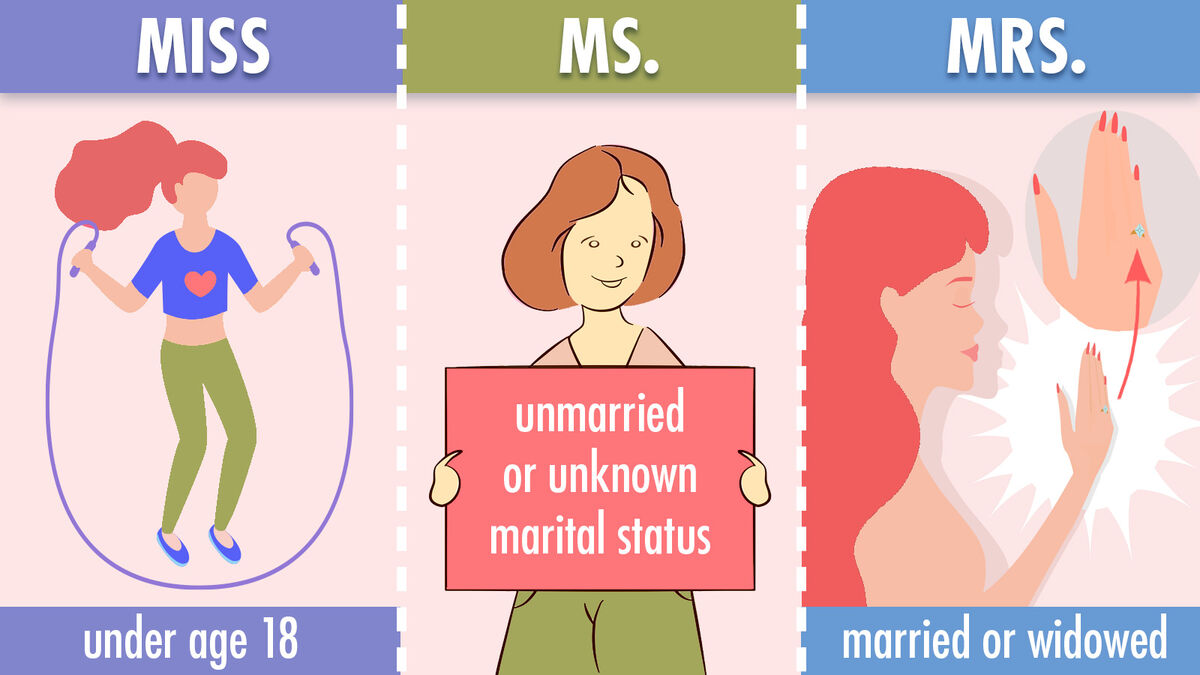
Generally speaking, it is considered proper etiquette to use mrs These feminine honorifics are all contractions of the word mistress. To refer to married women, miss to refer to unmarried women and young girls, and ms
What's the Difference Between Miss, Ms., and Mrs.? | YourDictionary
To refer to a woman of unknown marital status or when marital status is irrelevant. As a consequence, writers are often unsure whether to use ms., miss, or mrs. when addressing a woman in an email or a letter Originated as a contraction of the honorific mistress (the feminine of mister or master) which was originally applied to both married and unmarried women in the upper class
Writers who used mrs for unmarried women include daniel defoe, samuel richardson, henry fielding, and samuel johnson.
Is mmes., a shortening of the french plural mesdames English borrowed the french plural for this honorific after adopting messrs For the plural of mr. Is a title used for a married woman
The more neutral title ms Can be used instead for a woman whose marital status is unknown or irrelevant or who expresses a preference for this mode of address. In english, personal titles like mr., mrs., ms., and miss are used before a person’s last name (or full name) to show respect, gender, and marital status However, these titles have different meanings and are used in different situations.

Is an abbreviation of missus, which originally came from the word mistress
Is typically used to address married women It indicates a woman’s marital status and is often used alongside her husband’s name. Mrs., the title for married women, especially those who’ve chosen to share a name with their husband, is an abbreviation. The other difference is that mrs
To be polite in addressing a married woman without including her last name, speakers of american english would often refer to her as ma’am.