Bile Leak After Gallbladder Removal Symptoms 2026 Media Vids & Images Full Link
Unlock Now bile leak after gallbladder removal symptoms prime on-demand viewing. No subscription costs on our media source. Experience fully in a universe of content of videos brought to you in superb video, ideal for premium watching supporters. With contemporary content, you’ll always be informed. Encounter bile leak after gallbladder removal symptoms personalized streaming in breathtaking quality for a highly fascinating experience. Sign up for our creator circle today to take in restricted superior videos with no charges involved, no sign-up needed. Be happy with constant refreshments and browse a massive selection of one-of-a-kind creator videos created for premium media aficionados. Make sure to get never-before-seen footage—rapidly download now! Explore the pinnacle of bile leak after gallbladder removal symptoms original artist media with breathtaking visuals and preferred content.
In humans, bile is primarily composed of water, is produced continuously by the liver, and is. Many waste products, including bilirubin, are eliminated from the body by secretion into bile and elimination in feces. It helps your body break down fats in the foods you eat and makes it easier for digestive enzymes to do their job.
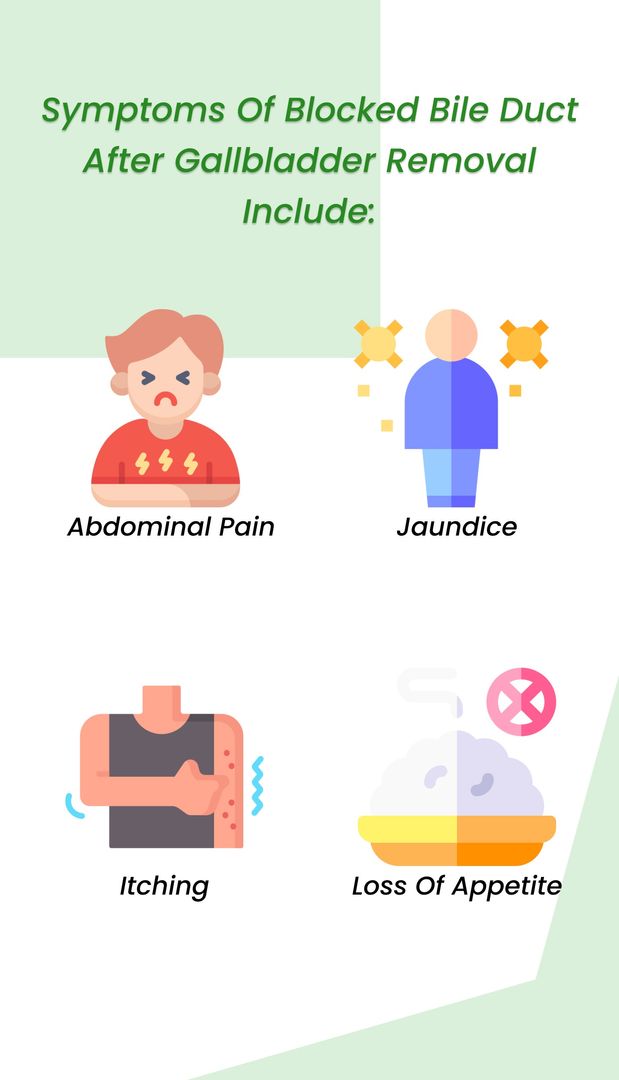
Bile Duct Obstruction after Gallbladder Removal | ClinicSpots
Its main job is to break down fats into fatty acids so that they can be absorbed by your body through the digestive tract The primary digestive function of bile is to aid in the dispersion and digestion of fat in the lumen of the small intestine. Bile is stored in the gallbladder and is sometimes also called gall.
Bile is a liquid produced by the liver that helps your body digest fats from the food you eat
It is stored in the gallbladder and empties into your intestines during digestion. Bile is a fundamental and unique secretion of the liver After its secretion, bile is stored and concentrated in the gallbladder Lipids in the duodenum stimulate the release of cholecystokinin, which stimulates gallbladder.
Your biliary system moves bile through your digestive tract Learn about how it works, issues you may experience, and treatment options today. The biliary organs and duct system that creates, transports, stores, and releases bile into the duodenum for digestion includes the liver, gallbladder, and bile ducts (named the cystic, hepatic, common, and pancreatic duct). Bile contains many different substances, including bile salts, cholesterol, and bilirubin
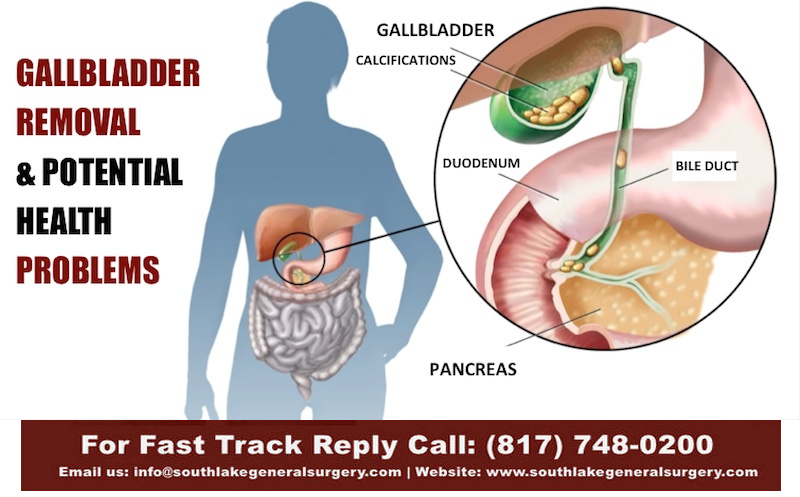
After a meal, the gallbladder pumps bile into the duodenum (the first part of the small intestine) to keep the intestine's contents at the appropriate ph for digestion, and to help break down fats.